
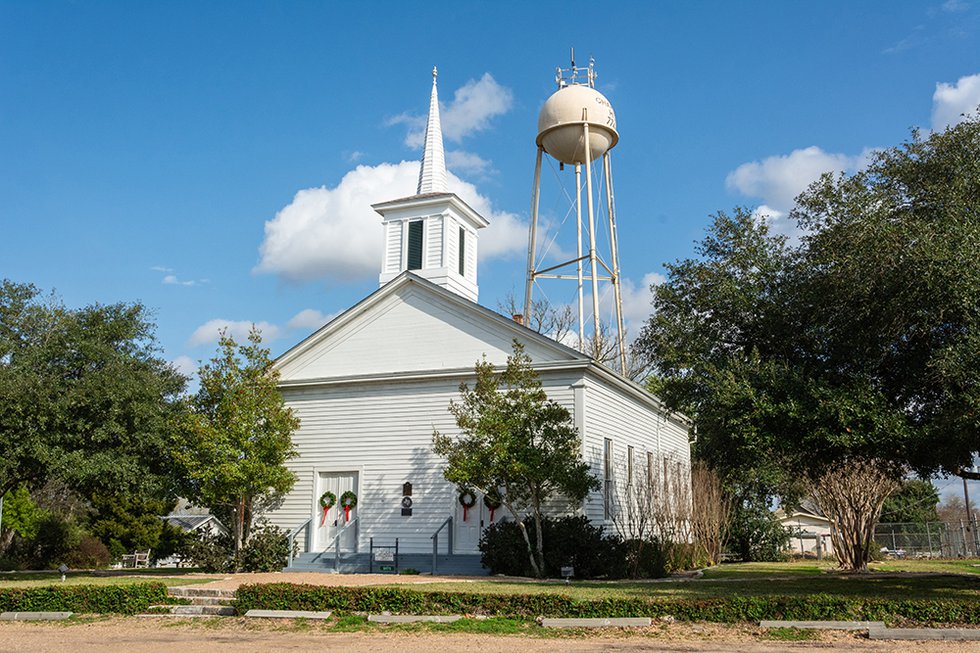
Nestled in the heart of Washington County, Texas, Chappell Hill is a town rich in history, charm, and vibrant traditions. With a legacy dating back to the early days of Texas, this small but thriving community has preserved its heritage while welcoming modern growth. From its roots in Stephen F. Austin’s original colony to its present-day appeal as a tourist destination, it offers something for everyone. Whether you are a history buff, a lover of festivals, or simply seeking a scenic escape, this town is a must-visit destination.
Founding and Growth
Founded in 1847 by Mary Hargrove Haller, it began as a small trading post near the Cedar Creek settlement. Named after her grandfather, Robert Wooding Chappell, the town quickly grew into a bustling center for commerce and culture. Strategically located at the intersection of Farm Roads 1155 and 2447, it became a vital link between settlers and traders in Washington County, Texas.
By the mid-19th century, its history was deeply intertwined with the cotton plantation economy. The region’s fertile land made it ideal for cotton production, attracting ambitious planters and investors. With a post office established in 1847 and the formation of its Methodist Church by Robert Alexander, the town flourished. Schools, businesses, and religious institutions strengthened its foundation, paving the way for its continued growth.
The Impact of the Civil War and Economic Shifts
The Civil War brought drastic changes to it, altering its trajectory forever. The town served as a strategic Confederate supply hub, housing a quartermaster depot, a military hospital, and Camp Felder. Local men, including the Twenty-First Texas Lancers, enlisted to fight for the South.
However, the yellow fever epidemic of 1867 devastated the population, leading to a mass exodus of survivors. Additionally, Emancipation reshaped the local economy, as plantation labor systems collapsed. Despite these challenges, the town endured, thanks in part to Polish immigrants who arrived in the 1870s, revitalizing agriculture and industry.
Polish Immigration and Cultural Influence
One of the most unique aspects of its history is the significant Polish-American heritage that emerged in the late 19th century. Seeking new opportunities, Polish families settled in the area, bringing their traditions, work ethic, and faith.
By 1889, they established St. Stanislaus Catholic Church, one of the earliest Polish parishes in Texas. Their contributions extended beyond religion, as they played a key role in preserving the local economy, farming, and community development. Today, their legacy is evident in the town’s architecture, cuisine, and festivals.
Festivals and Attractions
Few places celebrate Texas culture as vibrantly as it. The town is home to two of the state’s most anticipated annual events: the Bluebonnet Festival in the spring and the Scarecrow Festival in the fall.
The Bluebonnet Festival showcases breathtaking fields of Texas bluebonnets, artisan vendors, live music, and local delicacies. Meanwhile, the Scarecrow Festival transforms the town into a festive autumn wonderland, drawing thousands of visitors each year. These events not only celebrate the town’s history but also contribute to its tourism and economic growth.
Historic Landmarks and Preservation Efforts
It boasts a remarkable collection of historic sites, many of which are preserved under the National Register of Historic Places. The Main Street Historic District features restored buildings that tell the story of the town’s past, from its cotton plantation era to its present-day revival.
The Historical Society, founded in 1964, has played a crucial role in preserving the town’s heritage. They maintain museums, organize educational programs, and protect landmarks such as the Masonic Cemetery, where Confederate veterans and early settlers rest in peace.
Masonic Lodge and Methodist Church
Two of the town’s most significant institutions are the Chappell Hill Masonic Lodge and Methodist Church. Established in 1851, the lodge remains active today, continuing its legacy of community service and fellowship.
The Methodist Church, founded in 1847 by Robert Alexander, served as both a religious and educational center. It was instrumental in establishing schools like the Male and Female Institute and Soule University, both of which contributed to the town’s reputation for academic excellence.
The Rise and Decline of Chappell Hill’s Economy
In its prime, it was an economic powerhouse driven by cotton plantations and railroad expansion. The establishment of the Washington County Rail Road in 1856 made it a vital trade hub, increasing commerce and prosperity.
However, as Brenham grew and economic shifts occurred, the town’s influence waned. The Great Depression and the decline of cotton farming further impacted its economy. Yet, in the 1960s, an influx of Houstonians seeking a rural retreat breathed new life into sparking a historic preservation movement and economic renewal.
Role in the Railroad Expansion
Recognizing the need for better transportation, its leaders, including William M. Sledge and Col. W.W. Browning, championed the construction of the Washington County Rail Road. By 1859, the town became a key distribution center, linking farmers and merchants to larger markets.
Although later overshadowed by Brenham, the railroad era played a pivotal role in shaping its economy, allowing it to thrive as a supply point for decades.
The Influence of the Bluebonnet Festival and Scarecrow Festival
The Bluebonnet Festival and Scarecrow Festival have become the lifeblood of its tourism industry, attracting thousands of visitors annually. These events celebrate the town’s rich culture, offering a mix of history, entertainment, and local craftsmanship.
Both festivals play a crucial role in supporting local businesses, fueling the economy, and preserving its status as a premier Texas destination.
The Importance of the Chappell Hill Chamber of Commerce
A key driver of its economic resurgence Chamber of Commerce. Established in 1970, the Chamber has worked tirelessly to promote local businesses, historic preservation, and tourism.
Through events, marketing, and community initiatives, the Chamber of Commerce has helped make it a thriving hub of heritage and hospitality. Whether supporting small businesses or organizing festivals, its impact is undeniable.
Frequently Asked Questions
1. What is Chappell Hill, TX, known for?
Chappell Hill is famous for its historic charm, Polish-American heritage, and annual festivals like the Bluebonnet Festival and Scarecrow Festival.
2. What historic sites can you visit in Chappell Hill?
Visitors can explore the Main Street Historic District, Masonic Cemetery, St. Stanislaus Catholic Church, and several Texas historical markers.
3. How does Chappell Hill celebrate its history?
Through preservation efforts by the Chappell Hill Historical Society, local museums, and events that highlight the town’s rich past.
4. When is the Bluebonnet Festival?
The Bluebonnet Festival takes place every April, showcasing breathtaking wildflowers and local artisans.
Chappell Hill, TX, is more than just a small town—it’s a living piece of Texas history. Whether you’re drawn by its historic sites, festivals, or welcoming community, it promises an experience you won’t forget.
